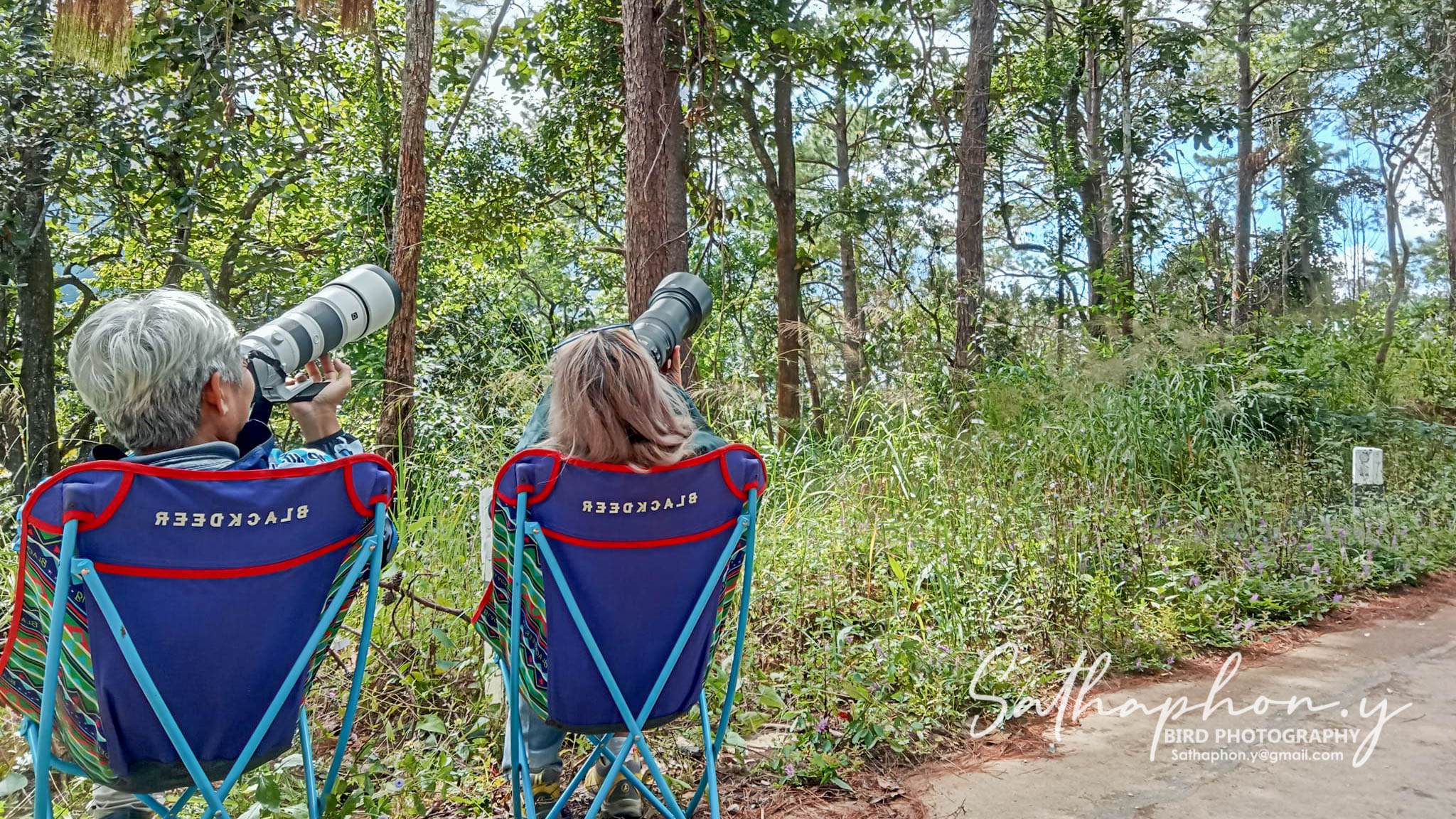
Essential techniques to capture stunning bird images in the wild
Bird photography is one of the most rewarding forms of wildlife photography—but it can also be one of the most challenging. Birds are small, fast-moving, and often hidden in complex environments.
If you’re just starting out, the key is not expensive gear—but understanding light, behaviour, and positioning. With the right approach, even beginners can capture beautiful and meaningful images in nature.
Start with the Right Mindset
Before thinking about equipment, focus on observation. Bird photography is about patience, timing, and awareness.
Spend time watching how birds move, where they perch, and how they react to your presence. The more you understand behaviour, the better your chances of getting a great shot.
If you’re new to birding as well, read Beginner’s Guide to Birding in Thailand
1. Choose the Right Light
Light is everything in photography. Early morning and late afternoon provide soft, natural light that enhances colours and reduces harsh shadows.
In forest environments like Chiang Dao, look for areas where light filters through the canopy—this creates a beautiful, natural effect on your subject.
2. Get Closer (Without Disturbing)
Distance is one of the biggest challenges in bird photography. Instead of chasing birds, position yourself strategically and let them come to you.
Move slowly, avoid sudden movements, and use natural cover when possible.
For better opportunities, explore locations in Chiang Dao Birding Locations
3. Use Fast Shutter Speed
Birds move quickly, so freezing motion is essential.
As a starting point:
- Perched birds: 1/500 – 1/1000
- Flying birds: 1/1600 – 1/2500
Adjust depending on light conditions and movement.
4. Focus on the Eye
A sharp eye makes a powerful image. Even if other parts of the bird are slightly soft, a clear eye creates a strong connection in the photo.
Use single-point autofocus when possible and aim directly at the bird’s eye.
5. Keep Your Background Clean
A clean background makes your subject stand out. Try to position yourself so that the background is distant and uncluttered.
Small changes in angle can dramatically improve your composition.
6. Be Patient and Respect Nature
Good bird photography takes time. Avoid disturbing birds, especially during nesting or feeding periods.
Respecting wildlife not only protects the environment—it also leads to more natural and rewarding encounters.
Learn more in Ethical Birding Practices
7. Start with Simple Equipment
You don’t need the most expensive gear to begin.
A good beginner setup might include:
- A camera with fast autofocus
- A telephoto lens (300mm or more)
- A comfortable strap or monopod
As your skills improve, you can upgrade gradually.
For gear advice, see Best Lenses for Bird Photography
Learn in the Field
The fastest way to improve is through real experience. Being in the right place, at the right time, with guidance can dramatically accelerate your progress.
With a local guide, you’ll learn how to find birds, position yourself, and anticipate behaviour—skills that are difficult to learn alone.
Explore our Northern Thailand Birding Tours to improve your bird photography in Chiang Dao.
Practice in One of Thailand’s Best Locations
Chiang Dao offers ideal conditions for beginners:
- Diverse bird species
- Accessible birding locations
- Beautiful natural light
- Opportunities for close encounters
If you’re planning your trip, don’t miss Best Month for Bird Photography in Chiang Dao
Capture Your First Great Shot
Every great wildlife photographer started as a beginner. With patience, practice, and the right environment, your skills will grow quickly.
If you’re ready to begin your journey, discover our Full-Day Birding Tour in Chiang Dao and learn directly in the field.