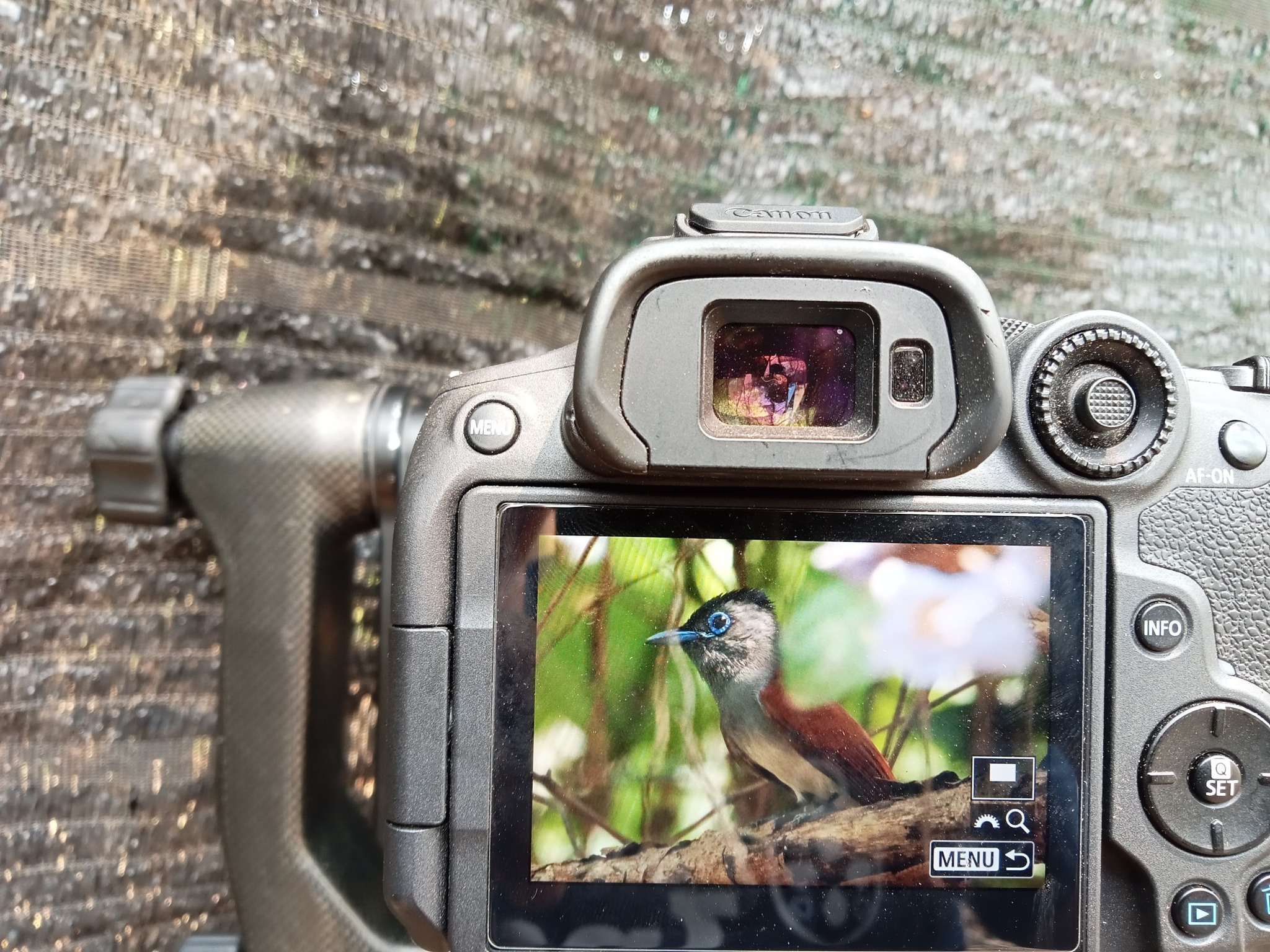
Master the essential settings to capture sharp and professional bird images
Bird photography often happens in unpredictable conditions—low light, fast movement, and constantly changing backgrounds. Understanding the right camera settings will help you react quickly and capture sharp, well-exposed images.
Whether you are photographing perched birds or birds in flight, having the correct setup makes all the difference.
Start with the Right Shooting Mode
For bird photography, most photographers use:
- Aperture Priority (A/Av) – Ideal for perched birds and controlled situations
- Shutter Priority (S/Tv) – Useful for birds in motion
- Manual Mode (M) – Best for consistent lighting conditions
Each mode gives you different levels of control depending on the situation.
If you’re new, start with Bird Photography Tips for Beginners
Shutter Speed: Freeze the Action
Birds move quickly, so shutter speed is critical.
As a general guide:
- Perched birds: 1/500 – 1/1000
- Birds in flight: 1/1600 – 1/2500+
Faster shutter speeds reduce motion blur and help you capture sharp images—even during sudden movement.
Aperture: Control Depth of Field
Aperture affects how much of the image is in focus.
Recommended settings:
- f/5.6 – f/8 for subject isolation
- f/8 – f/11 for more detail and sharpness
A wider aperture helps blur the background, making your subject stand out more clearly.
ISO: Balance Light and Noise
ISO controls your camera’s sensitivity to light.
- Use low ISO (100–400) in bright conditions
- Increase ISO in low light to maintain fast shutter speed
- Modern cameras can handle ISO 800–1600 quite well
It’s better to have a slightly noisy image than a blurry one.
Autofocus Settings: Keep Your Subject Sharp
Accurate focus is essential in bird photography.
Recommended setup:
- Continuous AF (AI Servo / AF-C) for moving birds
- Single-point or small zone AF for precise control
- Focus on the bird’s eye whenever possible
Understanding autofocus behaviour can dramatically improve your success rate.
Drive Mode: Capture the Perfect Moment
Birds move in milliseconds—use burst shooting to increase your chances.
- Set to High-Speed Continuous Shooting
- Take short bursts instead of holding the shutter too long
This helps you capture the exact moment of movement or behaviour.
Exposure Compensation: Adjust for Difficult Lighting
Birds are often photographed against bright skies or dark forests.
- Use + exposure compensation for backlit subjects
- Use – exposure compensation for bright backgrounds
This ensures your subject is properly exposed.
White Balance: Keep Colours Natural
For most situations:
- Use Auto White Balance (AWB)
- Adjust later in post-processing if needed
Natural colours are especially important for bird identification and photography quality.
Learn in Real Conditions
Camera settings are important—but real improvement comes from experience in the field. Light, movement, and behaviour change constantly, especially in natural environments like Chiang Dao.
With local guidance, you can learn how to adapt quickly and make the right decisions in real time.
Explore our Northern Thailand Birding Tours to improve your skills in the field.
Practice in the Right Location
Chiang Dao offers excellent conditions for bird photography:
- Soft natural light in forest edges
- High diversity of species
- Opportunities for both still and moving subjects
If you are planning your trip, check Best Month for Bird Photography in Chiang Dao
Build Confidence with Your Camera
Mastering camera settings takes time, but once you understand how each element works, your photography will improve dramatically.
If you’re ready to practice in one of Thailand’s best locations, discover our Full-Day Birding Tour in Chiang Dao and take your skills to the next level.