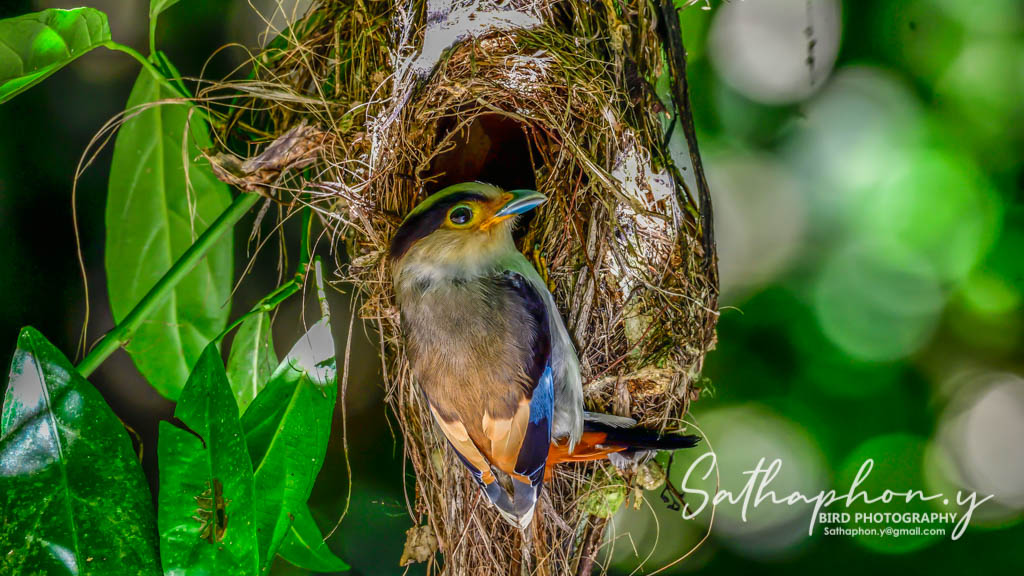
Birding is not only about seeing birds — it’s about understanding their behavior.
One of the most fascinating aspects of birding in Northern Thailand is observing nesting behavior. From hidden forest nests to feeding activity, this is when birds are most active — and also most vulnerable.
For birders and photographers visiting Chiang Dao, knowing how to approach this responsibly makes all the difference.
🪺 Why Bird Nests Matter
During the breeding season, birds become highly active.
You may notice:
- Frequent movement between perches
- Birds carrying food
- Repeated visits to the same spot
This is often a sign of a nearby nest.
For photographers, this creates incredible opportunities — especially during feeding moments when natural behavior can be observed.
👉 Best combined with Bird Photography Calendar in Chiang Dao
🌿 Types of Bird Nests in Northern Thailand
In forest areas like Chiang Dao, you may encounter different nesting styles:
- Ground nests hidden under dense vegetation
- Cup nests placed on branches
- Tree cavity nests used by species like woodpeckers
- Well-camouflaged nests deep in forest cover
Most nests are extremely difficult to see — and that’s exactly how it should be.
⚠️ Ethics First: Protecting Birds Comes Before Photos
This is the most important part.
Birds during nesting season are sensitive to disturbance.
If stressed, they may:
- Stop feeding
- Abandon the nest
- Expose chicks to predators
Responsible birding means:
- Keep a safe distance
- Never touch or approach a nest
- Avoid using playback near nesting areas
- Do not share exact nest locations publicly
👉 Learn more in How Bird Hides Help Ethical Bird Photography
🧭 Why Local Knowledge Matters
Understanding nesting behavior is not just about luck.
A local guide knows:
- When birds are most active
- How close is too close
- How to observe without disturbance
This is especially important in places like Chiang Dao, where forest conditions and bird behavior can change quickly.
👉 See how this works in Chiang Dao Birding Guide
📍 Where You May Observe Natural Behavior
While nests themselves should not be approached, bird activity can often be observed safely in natural locations.
Places like Chiang Dao Hut Pond provide opportunities to see birds:
- Drinking
- Feeding
- Moving naturally within the forest
Without needing to disturb nesting sites.
📅 Best Time to Observe Nesting Behavior
In Northern Thailand, nesting activity is usually highest between:
👉 February to June
During this time:
- Birds are more vocal
- Feeding activity increases
- Chances of observing behavior improve
👉 Plan your visit with Best Time for Birding in Chiang Dao
🌏 Final Thoughts
Seeing birds at their most natural — feeding, calling, raising young — is one of the most rewarding experiences in birding.
But with that privilege comes responsibility.
The goal is not just to see more birds,
but to ensure they remain undisturbed for future generations.