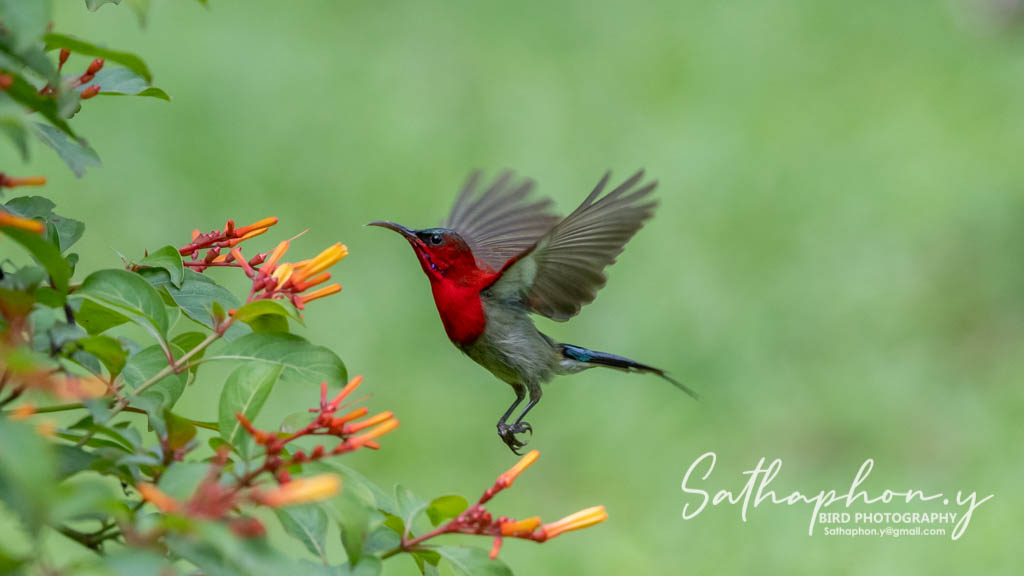
Birds are more than colorful creatures flying through the forest.
For many experienced birders, birds are one of the best ways to understand how nature works. By observing birds carefully, we begin to notice seasonal changes, weather patterns, flowering cycles, insect activity, and even the effects of climate change.
Birds react quickly to environmental changes. Because of this, they help us “read” the forest in ways many people never notice.
Birds Reflect Changes in the Environment
In Northern Thailand, forests are constantly changing throughout the year.
Some years the rainy season arrives earlier. In other years, temperatures stay warmer longer than expected. These changes affect plants, insects, predators, and birds.
For example:
- Some flowers bloom earlier than before.
- Insects and bees may emerge sooner during warmer weather.
- Fruit trees may produce food at different times.
- Migratory birds may arrive earlier or later than expected.
Birds must constantly adapt to these changes in order to survive.
For birders who spend time in the field regularly, these patterns become easier to observe over time.
Birds Teach Us About Seasonal Cycles
One of the most interesting things about birdwatching is learning how closely birds follow seasonal cycles.
Many forest birds begin nesting when insects become abundant. Others move to different elevations depending on food availability and weather conditions.
During breeding season, bird activity often increases around feeding areas, streams, flowering trees, and fruiting plants.
Even bird calls can change during different seasons.
By listening carefully and observing behavior, birders can begin to understand the rhythm of the forest itself.
Learning Habitat Through Birds
Different bird species depend on different habitats.
Some birds prefer dense evergreen forest. Others stay near bamboo, farmland edges, mountain ridges, or streams.
By observing where birds feed, rest, and nest, we also learn about the health of the ecosystem.
In places like Doi Chiang Dao and Northern Thailand, habitat changes can often be seen through bird activity long before people notice other environmental changes.
Birds are natural indicators of forest conditions.
Birds and Climate Change
Climate change is affecting nature everywhere, including bird behavior.
Warmer temperatures, irregular rainfall, and changing forest conditions may influence:
- breeding seasons
- migration timing
- food availability
- nesting success
- predator behavior
Some birds adjust quickly. Others struggle to adapt.
For birders and nature guides, long-term observation becomes increasingly important for understanding how ecosystems are changing over time.
Birdwatching Is More Than Identification
Many beginner birders focus mainly on identifying species.
But over time, birdwatching becomes something deeper.
Experienced birders begin to notice relationships between birds, insects, trees, weather, water, and seasonal movement. The forest becomes more connected and alive.
Birds help us slow down, observe carefully, and understand nature as a living system rather than separate individual species.
A Window Into the Forest
Every bird has a story connected to its habitat, food source, nesting season, and survival strategy.
The more time we spend observing birds, the more we learn about the changing world around us.
Birds are not only beautiful to watch.
They are one of nature’s best teachers.