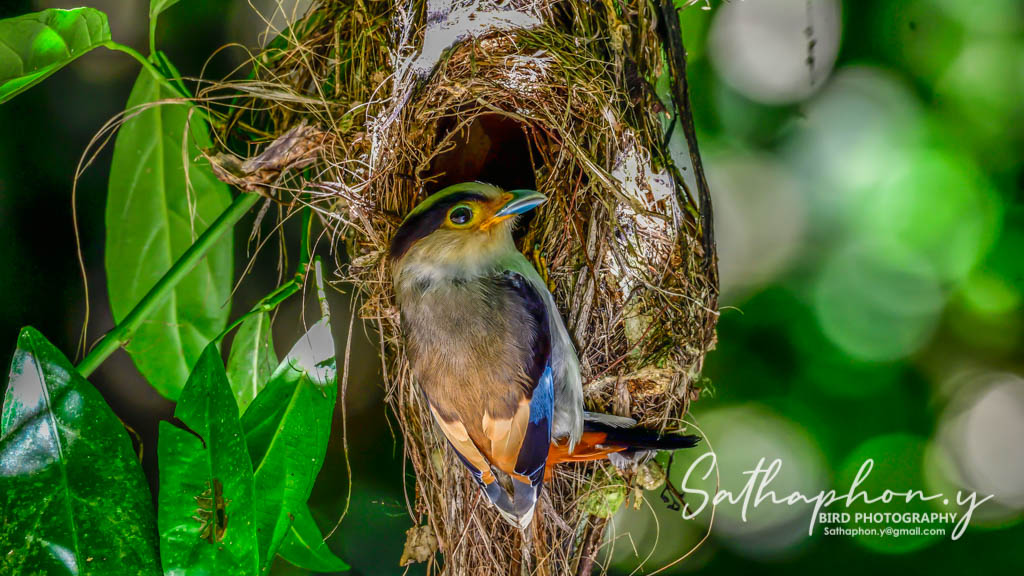
For many birders, seeing a bird is exciting.
But understanding why a bird chooses a particular habitat, season, or nesting material opens a much deeper connection to nature.
In Northern Thailand, bird nesting behavior changes throughout the year depending on rainfall, food availability, forest conditions, and elevation. Learning to observe nests carefully and ethically can help birders better understand the forest ecosystem — not just identify species.
Why Birds Choose Specific Nesting Habitats
Different bird species select different habitats for nesting based on safety, food sources, and weather conditions.
Some birds prefer dense evergreen forests with thick understory vegetation to hide their nests from predators. Others choose bamboo forests, open farmland, rocky cliffs, or streamside vegetation.
In areas around Doi Chiang Dao and Northern Thailand, habitat selection often changes with elevation and season.
For example:
- Insect-eating birds often nest near moist forest areas rich in caterpillars and spiders.
- Fruit-eating birds may build nests near fig trees or seasonal fruiting plants.
- Ground-dwelling birds prefer quiet areas with dense leaf litter and natural cover.
Understanding habitat helps birders predict bird activity and seasonal movement patterns in the forest.
The Relationship Between Seasons and Nesting
The breeding season of many birds in Northern Thailand is closely connected to rainfall and food abundance.
Before and during the rainy season, forests become rich with insects, fresh vegetation, and fruit. This creates ideal conditions for raising chicks.
Some species begin nesting early when temperatures rise and insect activity increases. Others wait until the forest becomes greener after the first rains.
Weather patterns can also affect nesting success. In some years, delayed rainfall may shift breeding activity later than expected.
For local bird guides and bird photographers who spend time in the field regularly, these seasonal changes become easier to notice over time.
Materials Birds Use to Build Their Nests
Bird nests are not random structures.
Each species carefully selects materials based on strength, camouflage, temperature control, and flexibility.
Common nesting materials in Northern Thailand include:
- Moss
- Bamboo leaves
- Grass
- Rootlets
- Spider webs
- Feathers
- Lichens
- Plant fibers
Some forest birds use moss and lichens to blend perfectly with tree branches covered in humidity and shade. Others use spider silk to hold delicate materials together.
Observing nest materials can reveal a lot about the surrounding habitat and local environmental conditions.
Food Sources Around the Nest
Food availability is one of the most important factors influencing nest location.
Parent birds often choose nesting areas close to reliable feeding grounds to reduce energy use while feeding chicks.
Depending on the species, common food sources may include:
- Caterpillars
- Beetles
- Spiders
- Small berries
- Wild figs
- Nectar
During nesting season, bird activity usually increases around feeding areas. Careful observation of feeding behavior can often help birders locate active territories without disturbing the birds.
Ethical Nest Observation
Bird nests should always be observed responsibly.
Ethical birding and bird photography help protect birds during their most sensitive breeding periods.
Important guidelines include:
- Never touch or move nests
- Avoid standing too close for long periods
- Do not clear vegetation for photography
- Avoid excessive playback near nesting birds
- Keep noise and movement to a minimum
Sometimes the best observation comes from patience and distance rather than getting physically closer.
Responsible observation allows birds to continue natural behavior without unnecessary stress.
Learning to Read the Forest
Bird nests are more than simple structures.
They reflect weather patterns, habitat quality, seasonal food availability, and survival strategies developed over thousands of years.
For birders visiting Northern Thailand, learning about nesting behavior can transform birdwatching into a deeper understanding of the forest ecosystem itself.
Every nest tells a story — not only about the bird, but about the forest that supports its life.