A Winter Passage Migrant in Northern Thailand


7
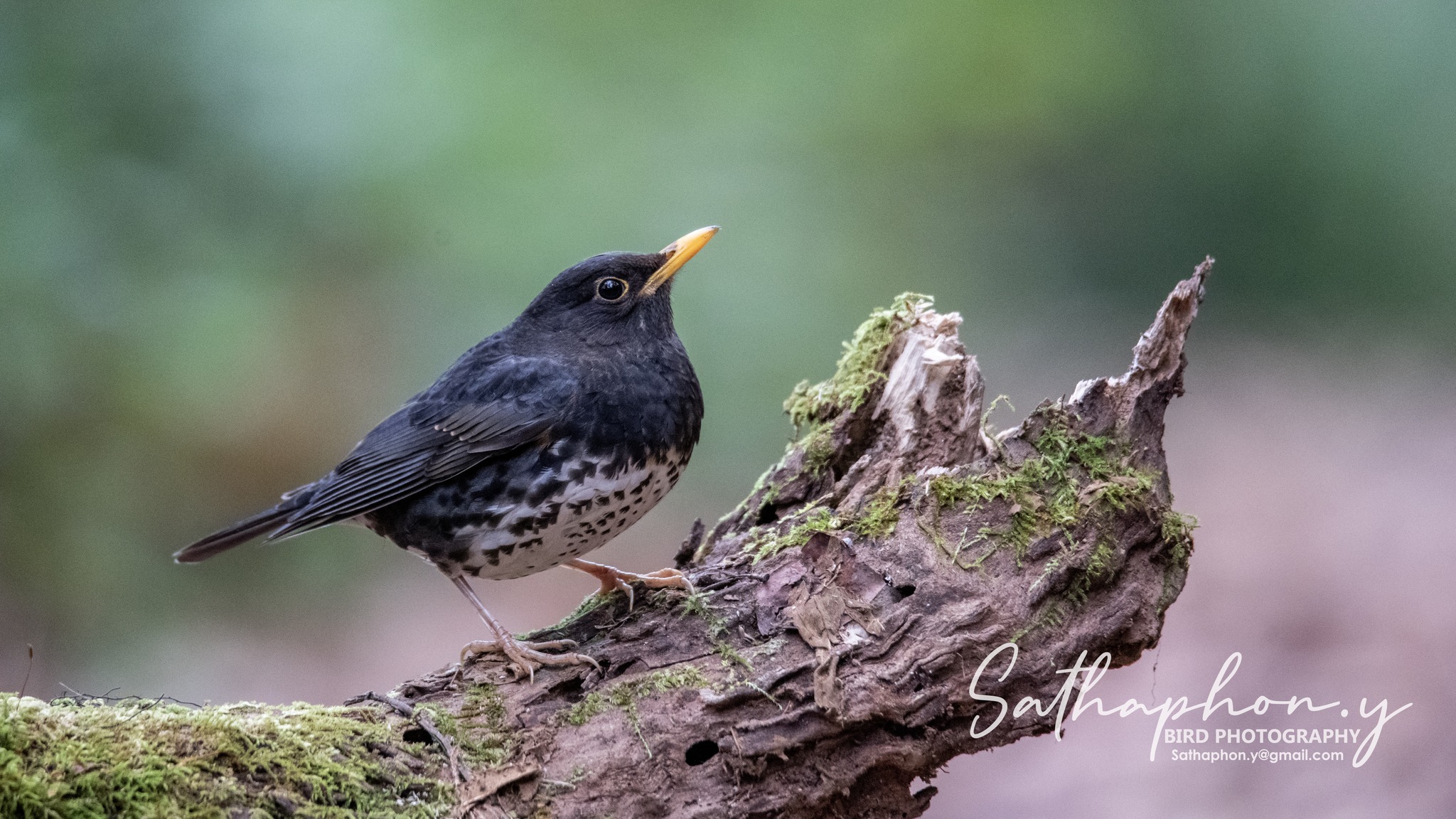
The Japanese Thrush is a beautiful and often unpredictable passage migrant in Northern Thailand. During the early part of the year, this species occasionally appears in high-elevation forests, offering a rare opportunity for birdwatchers and photographers.
This individual was photographed at Doi Lang West—one of the most productive birding sites in the region.
Field Observation
In early January, this Japanese Thrush was observed quietly foraging along a mossy log in a shaded forest clearing. Like many thrushes, it spent most of its time on the ground, searching for insects and fallen fruits.
The bird showed cautious behaviour but allowed for a brief photographic opportunity—highlighting how timing and patience are critical in bird photography.
Species Notes
- Scientific Name: Turdus cardis
- Status in Thailand: Passage migrant / winter visitor
- Habitat: Montane forest, forest edges, shaded clearings
- Behaviour: Ground-feeding, shy, often solitary
Japanese Thrush typically migrates from East Asia and can be found in Southeast Asia during the winter months, usually between December and February.
Why Doi Lang West Matters
Doi Lang (West side) is well known among birders for its diversity and seasonal surprises. High elevation, intact forest, and relatively low disturbance make it an excellent location for encountering rare migrants like this species.
Explore more birding locations in Chiang Dao Birding Guide and expand your trip across Northern Thailand.
Photography Insight
This image reflects ideal natural conditions:
- Soft diffused forest light
- Clean, natural perch (mossy log)
- Eye-level composition
- Natural behaviour (foraging)
Moments like this are unpredictable—success depends more on fieldcraft than equipment.
If you’re interested in improving your field skills, read All the Gear, No Idea.
Seasonal Context
Winter months (December–February) are one of the most exciting periods for birding in Northern Thailand. Migratory species add diversity to resident bird populations, especially in higher elevations.
Learn more about timing in Best Month for Bird Photography in Chiang Dao.
Experience It Yourself
Encounters like this don’t happen by chance. Knowing where and when to look—and how birds behave—makes all the difference.
Join a local expert through Northern Thailand Birding Tours or start with a Full-Day Birding Tour in Chiang Dao to increase your chances of finding rare species.